Why We Travel: Lessons From a Crowded Summer
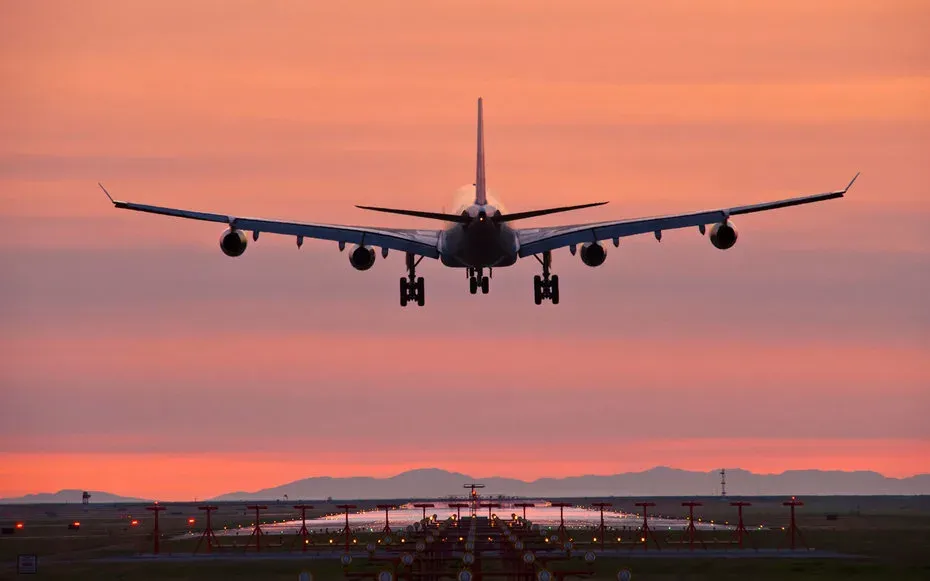
This summer my wife and I had the opportunity to travel extensively with friends and family, and it reminded me of something I hadn’t experienced in quite a while; just how chaotic travel has become. Every airport was packed. Flights were full. Tourist destinations were bustling, and unfortunately “Selfie Influencers” were hogging popular attractions. If the economy is slowing, you certainly wouldn’t know it by looking around an airport terminal.
Like many travelers, I found myself squeezed into a coach seat while glancing toward the front of the aircraft where those in business class looked considerably more comfortable. It made me think about the value of planning ahead, not only financially but strategically. Traveling well doesn’t always mean spending more. Often, it simply means knowing how to use the tools available to you.
Americans Are Traveling More Than Ever
Travel continues to be one of the highest priorities for many families. Even with inflation and higher costs, Americans are consistently choosing experiences over possessions. My mother and father-in-law traveled with their kids, grandkids, and great grandson. Everyone on that trip built a lifetime of memories.
Surveys show that most people now place vacations near the top of their discretionary spending priorities, often cutting back in other areas rather than giving up travel altogether.
Why?
Because travel offers something money cannot buy (but is needed to pay for):
- Time with family and friends.
- Memories that last a lifetime.
- New cultures and perspectives.
- A chance to disconnect from work and reconnect with what matters.
- Experiences that often-become family stories for generations.
Research consistently shows that people tend to derive longer-lasting happiness from experiences than from material purchases.
The Cost of Travel Has Increased
There is no denying that travel has become more expensive.
Airfare, hotel rates, rental cars, and dining out have all climbed over the past several years. Peak-season flights can cost hundreds of dollars more than they did just a few years ago, and luxury hotels routinely exceed $500 per night in many popular destinations.
Fortunately, there are still ways to travel well without overspending.
Six Ways to Save Money on Your Next Vacation
- Let credit card rewards work for you.
Many travelers unknowingly leave thousands of dollars in travel rewards unused. Airline miles and flexible credit card points can often pay for flights, hotel stays, rental cars, and even airport lounge access.
- Transfer points instead of booking through the travel portal.
Flexible reward programs often allow you to transfer points directly to airline or hotel partners. This can dramatically increase the value of your points, particularly when booking premium cabins or luxury hotels.
- Be flexible with your travel dates.
Flying a day earlier or later or traveling midweek can significantly reduce airfare and hotel costs.
- Book early for popular destinations.
The best award seats and hotel rooms disappear quickly. Planning several months ahead usually provides the most choices and the best pricing.
- Travel during shoulder season.
The weeks just before or after peak vacation periods often offer excellent weather, smaller crowds, and substantially lower prices.
- Bundle strategically.
Sometimes booking flights, hotels, and rental cars together creates savings, but always compare prices individually before committing.
Flying Up Front Without Paying Full Price
One of the biggest surprises for many travelers is how often they can enjoy first class or business class without paying the published ticket price.
Some strategies include:
- Redeeming airline miles for premium cabin seats.
- Using flexible credit card points transferred to airline partners.
- Looking for discounted upgrade offers after booking.
- Using elite status benefits when available.
- Flying during less popular travel days when upgrades are more likely.
While upgrades are never guaranteed, thoughtful planning can make premium travel far more attainable than many people realize.
Airport Lounges Can Change the Entire Experience
After spending time in crowded terminals this summer, I gained an even greater appreciation for airport lounges.
For travelers facing long layovers or flight delays, lounges often provide:
- Comfortable seating
- Complimentary food and beverages
- Reliable Wi-Fi
- Quiet workspaces
- Showers at many larger airports
- A peaceful place to recharge before your next flight
We visited the Saphire Lounge in Philadelphia, and the food, service and accommodation made the layover not just tolerable, but enjoyable. Many premium travel credit cards include lounge access as a benefit.
Luxury Hotels for Less
Five-star hotels don’t always require five-star prices.
Many loyalty programs and premium credit cards provide:
- Complimentary breakfast
- Room upgrades
- Late checkout
- Resort credits
- Free night certificates
- Exclusive member pricing
Booking through the right travel program can often provide hundreds of dollars in additional value without increasing the nightly room rate.
If you’re interested in learning more about maximizing travel rewards, a simple online search for terms such as “travel points strategies,” “award travel,” “credit card points,” “airline miles,” or “hotel loyalty programs” can uncover a wealth of educational resources, articles, podcasts, and online communities. Spending a little time learning how airline and hotel loyalty programs work, understanding point transfers between partners, and watching for promotional offers can help travelers stretch their travel budget and potentially enjoy upgraded flights, airport lounge access, or higher-end hotel accommodations.
Flying vs. Driving
Every trip presents a choice.
Flying saves time over long distances and opens up destinations that would otherwise require days behind the wheel. However, today’s travelers must contend with crowded airports, security lines, delays, baggage concerns, and occasionally less-than-generous legroom.
Driving offers flexibility, allows you to pack more, and often costs less for families traveling together. You can stop when you want, explore small towns, and avoid many of the stresses associated with air travel. The tradeoff, of course, is the additional travel time and fatigue that comes with long hours on the road.
There isn’t a right answer, only the option that best fits your family’s priorities. If it’s 8 hours or less, I like to drive. I can travel on my schedule, stop and go as I please, and usually get there before the flight does.
Final Thoughts
As I sat in my coach seat this summer watching with envy as passengers settled comfortably into spacious business-class seats, I couldn’t help but smile. The experience reminded me that smart travel isn’t necessarily about spending more, it’s about planning better.
Travel has become one of life’s greatest investments. Long after we’ve forgotten the cost of the airline ticket or hotel room, we remember the sunrise we watched, the laughter around the dinner table, the adventures with our children and grandchildren, and the stories we still tell years later.
Perhaps that’s why airports remain so crowded despite higher prices and economic uncertainty. Experiences matter. Time with the people we love matters even more.
With thoughtful planning, strategic use of travel rewards, and a little flexibility, those experiences can become both richer and more affordable.
Safe travels, and may your next trip create memories that last a lifetime.
This material is for informational purposes only and is not intended as individual investment, tax, or legal advice. Please consult an OmniStar advisor about your specific circumstances.